སྔོན་པོ། sngon po - the Color "Grue"
I recently read an article entitled, "No one could see the color blue until modern times".
The claim isn't, of course, that we literally didn't see blue (as the over-simplified title suggests), but that we didn't see it the way we see it now.
Or that the way our "perceptual" is tied to our "conceptual" has evolved in such a way that "blue" is some very distinct experience now, but that that isn't the case pan-culturally (and especially not pan-historically).
As students of the Tibetan language, we may also note that:
མར་པོ། སེར་པོ། དཀར་པོ། ནག་པོ། སྔོན་པོ། ་་་་་་ ལྗང་ཁུ། ?
As my friend James put it, "Most of the Tibetan words for color end in the familiar adjectival suffice 'po' or 'bo'. But 'green' is, curiously, 'ljang khu' which seems to be derived from 'ljang bu' (defined by bod-rgya tshig mdzod chen mo as, and I translate, 'a 'blue' sprout of wheat or barley'), suggesting a later vintage. 'Sngon po' or 'blue' has no such obvious etymology..."
Here is the entry he is referring to: ལྗང་བུ། གྲོ་ནས་ཀྱི་མྱུ་གུ་སྔོན་པོ།
That got me curious. What was the entry for "blue"?
སྔོན་པོ། ནམ་མཁའི་དོག རྩྭ་སྔོན་པོ། རས་སྔོན་པོ།
blue: the color of the sky; blue grass; blue cloth.
Rangjung Yeshe's online dictionary similarly gives the entry for 'sngon po' as "1) blue. 2) [with plants] green [RY]"
Well, "blue cloth" isn't very helpful; one can dye cloth any number of colors. Sky has certainly come to be emblematic of the color "blue." But "blue grass"?
Okay, yes, there is a variety of grass, "poa pratensis," that goes by "Kentucky bluegrass." It's said that "The name Kentucky Bluegrass derives from its flower heads, which are blue when the plant is allowed to grow to its natural height of two to three feet." Like this:

Well, kind of purple-ish on the ends I guess... If the sun hits it right, it looks somewhat blue-ish, I can attest to that. And actually this species grows, natively, in America, Asia, Africa... Basically wherever. But still, its predominant color, I think we may agree, is "green."
In English, the noun form of "green" can even mean "grass:" "green - ... 4. A grassy lawn or plot, especially: a. A grassy area located usually at the center of a city or town and set aside for common use; a common. b. Sports: A putting green."
The point is, "grass" is as emblematic of "green" as the "sky" is of "blue." (When I looked up "blue" in the English dictionary, it did reference the sky... it did not reference grass. If you don't believe me, try it yourself.)
The suggestion is that, in pre-Buddhist Tibet, it may have been the case that "sngon po" didn't mean "blue" exclusively; from the little experience I've had with native speakers, I would think that it doesn't even mean "blue" exclusively now.
All this to say, language and culture encodes our conception of the world around us. To the point that we really perceive the world in different ways. Take, for another example, the Müller-Lyer illusion:

Which line is longer? Well, the bottom line looks longer (if you're like me), even when it's shown (in red) that the lines are of the same length. Fine, you may say, that's just a trick on how "perception" works.
But it's not. Sharks, for example, aren't fooled by the "illusion." They see the lines as equal length: "The sharks were not fooled in the slightest. They were almost always able to tell the lines were the same length, despite the misleading ‘fins’ on the arrows."
And lest you say human perception must be something unique... Other cultures don't see the "illusion" in the same way, either: "Researchers found that Americans perceive the line with the ends feathered outward (B) as being longer than the line with the arrow tips (A). San foragers of the Kalahari, on the other hand, were more likely to see the lines as they are: equal in length."
The claim isn't, of course, that we literally didn't see blue (as the over-simplified title suggests), but that we didn't see it the way we see it now.
Or that the way our "perceptual" is tied to our "conceptual" has evolved in such a way that "blue" is some very distinct experience now, but that that isn't the case pan-culturally (and especially not pan-historically).
As students of the Tibetan language, we may also note that:
མར་པོ། སེར་པོ། དཀར་པོ། ནག་པོ། སྔོན་པོ། ་་་་་་ ལྗང་ཁུ། ?
As my friend James put it, "Most of the Tibetan words for color end in the familiar adjectival suffice 'po' or 'bo'. But 'green' is, curiously, 'ljang khu' which seems to be derived from 'ljang bu' (defined by bod-rgya tshig mdzod chen mo as, and I translate, 'a 'blue' sprout of wheat or barley'), suggesting a later vintage. 'Sngon po' or 'blue' has no such obvious etymology..."
Here is the entry he is referring to: ལྗང་བུ། གྲོ་ནས་ཀྱི་མྱུ་གུ་སྔོན་པོ།
That got me curious. What was the entry for "blue"?
སྔོན་པོ། ནམ་མཁའི་དོག རྩྭ་སྔོན་པོ། རས་སྔོན་པོ།
blue: the color of the sky; blue grass; blue cloth.
Rangjung Yeshe's online dictionary similarly gives the entry for 'sngon po' as "1) blue. 2) [with plants] green [RY]"
Okay, yes, there is a variety of grass, "poa pratensis," that goes by "Kentucky bluegrass." It's said that "The name Kentucky Bluegrass derives from its flower heads, which are blue when the plant is allowed to grow to its natural height of two to three feet." Like this:

Well, kind of purple-ish on the ends I guess... If the sun hits it right, it looks somewhat blue-ish, I can attest to that. And actually this species grows, natively, in America, Asia, Africa... Basically wherever. But still, its predominant color, I think we may agree, is "green."
In English, the noun form of "green" can even mean "grass:" "green - ... 4. A grassy lawn or plot, especially: a. A grassy area located usually at the center of a city or town and set aside for common use; a common. b. Sports: A putting green."
The point is, "grass" is as emblematic of "green" as the "sky" is of "blue." (When I looked up "blue" in the English dictionary, it did reference the sky... it did not reference grass. If you don't believe me, try it yourself.)
The suggestion is that, in pre-Buddhist Tibet, it may have been the case that "sngon po" didn't mean "blue" exclusively; from the little experience I've had with native speakers, I would think that it doesn't even mean "blue" exclusively now.
All this to say, language and culture encodes our conception of the world around us. To the point that we really perceive the world in different ways. Take, for another example, the Müller-Lyer illusion:
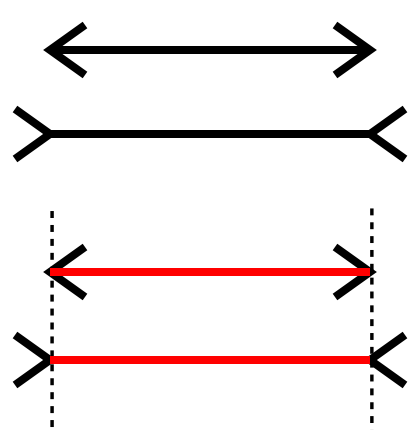
Which line is longer? Well, the bottom line looks longer (if you're like me), even when it's shown (in red) that the lines are of the same length. Fine, you may say, that's just a trick on how "perception" works.
But it's not. Sharks, for example, aren't fooled by the "illusion." They see the lines as equal length: "The sharks were not fooled in the slightest. They were almost always able to tell the lines were the same length, despite the misleading ‘fins’ on the arrows."
And lest you say human perception must be something unique... Other cultures don't see the "illusion" in the same way, either: "Researchers found that Americans perceive the line with the ends feathered outward (B) as being longer than the line with the arrow tips (A). San foragers of the Kalahari, on the other hand, were more likely to see the lines as they are: equal in length."
Comments